The Witcher Review: CD Projekt's Dark Fantasy Debut
CD Projekt RED's 2007 debut adapted Andrzej Sapkowski's novels into a gritty, choice-driven RPG that put the fledgling studio on the map.
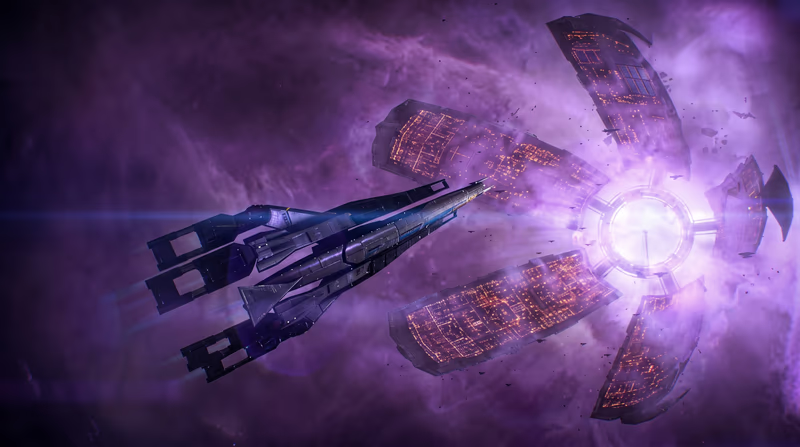
BioWare's Mass Effect, Image Credit: BioWare / Electronic Arts
Commander Shepard wakes up on the Normandy SR-1 with a Prothean beacon burned into their mind and a council of alien bureaucrats who'd rather not hear about it. That's the pitch BioWare opened with in November 2007, and it's a bigger swing than it sounds: a space opera that wanted players to actually shape the political mess unfolding around them, not just shoot through it. Built on Unreal Engine 3 and released first on Xbox 360 before reaching PC in 2008 and PlayStation 3 in 2012 as part of the Mass Effect Trilogy, the game set out to prove that a conversation could carry as much weight as a firefight.
It mostly succeeded. Mass Effect isn't the smoothest game BioWare ever made, and some of its systems show their age badly, but it built the Milky Way the rest of the trilogy would spend two more games conquering.
The dialogue wheel is the game's real invention, and it's the one idea that still gets copied today. Instead of reading dialogue options verbatim, players pick a tone — top for Paragon, bottom for Renegade, middle for neutral or investigative — and Shepard delivers the line in character. Push far enough toward either pole and whole conversations open up: Renegade Shepard can intimidate a krogan mercenary into standing down with a pistol to the head, while a Paragon run talks the same encounter into a ceasefire.
The voice acting carries it. Jennifer Hale's Shepard in particular sells lines that would read flat on the page, and the Citadel Council scenes land because the actors treat interstellar politics like it actually matters.
This is where 2007's ambitions outran its budget. Mass Effect wants to be a cover-based third-person shooter with RPG trappings layered on top: biotic powers like Throw and Singularity, tech abilities like Overload and Sabotage, and a full inventory of mods, ammo types, and armor pieces to juggle mid-firefight. On paper it's deep. In practice, the Mako's floaty, over-boosted handling turns planet exploration into a fight against physics, weapons jam and overheat on a cooldown system that feels tacked-on rather than tactical, and the inventory screen buries good gear under pages of near-identical junk.
None of this sinks the game, but it's the clearest evidence BioWare was still learning how to marry Western RPG systems to a third-person shooter. Mass Effect 2 would fix almost every one of these complaints two years later.
The Citadel itself is the game's best piece of world-building: a five-armed space station housing the galaxy's dominant species, its black markets, its council politics, and its quiet corners where a krogan bounty hunter will tell you his entire life story if you let him. Walking its wards for the first time, past turian C-Sec officers and asari information brokers, sells the scale of the setting better than any cutscene could.
The uncharted worlds spread across the galaxy map are a mixed bag by comparison, many of them barren, reused-asset rock fields with a single building to raid. The handful of hand-crafted locations fare much better: Feros's crumbling colony and Noveria's corporate ice labs show what the format could do when BioWare committed real art direction to a planet instead of a procedural placeholder.
Pros:
Cons:
Mass Effect is a rough draft that happens to be more memorable than most finished games. Its shooting mechanics creak, its vehicle sections test patience, and its inventory system needed a redesign it wouldn't get until the sequel. None of that matters much once Shepard steps onto the Citadel's Presidium or talks a krogan warlord down from a massacre. BioWare built a galaxy here worth returning to twice more, and started the genre-defining habit of making players live with what they said.

Affiliate link: Support the blog via Instant Gaming at no extra cost.
Mass Effect
Others Posts
CD Projekt RED's 2007 debut adapted Andrzej Sapkowski's novels into a gritty, choice-driven RPG that put the fledgling studio on the map.
Wasteland 2: Director's Cut—inXile's crowdfunding triumph, brutal moral choices, tactical squad-based survival, and post-apocalyptic roleplaying.
Warhorse Studios' 2018 debut swapped fantasy tropes for obsessively researched medieval Bohemia, building one of the most punishing and rewarding RPGs of its generation.
The universe of Anthem was rich with untapped potential, leaning heavily into a "science-fantasy" aesthetic.
A review of Star Wars: The Force Unleashed, LucasArts' canon-shaking tale of Darth Vader's secret apprentice Starkiller, the Euphoria/DMM physics that sold the Force, and the uneven HD-era execution underneath.
Fallout dropped players into a post-nuclear California and let the SPECIAL system, black humor, and genuine consequence define a genre that's still being imitated nearly three decades later.
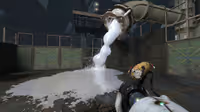
A newcomer's guide to Portal 2's controls, gel and funnel mechanics, and co-op basics - everything you need before Aperture Science starts testing you for real.

A practical, course-by-course guide to Super Mario 64 - how to navigate Peach's Castle, which Stars to chase first, and how to actually get all 120 without wasting hours on the ones that trip everyone up.
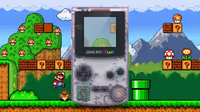
An engineering retrospective on the Nintendo Game Boy Color. We explore how a double-speed Sharp SM83 core, a backward-compatible palette-mapped color LCD, and translucent 'Atomic Purple' shells turned a stopgap handheld into the system that carried Pokémon's second generation.
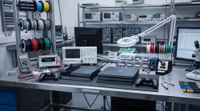
Analysis of the PlayStation 4 and PS4 Pro hardware. We examine the shared CPU bottleneck, the mirrored butterfly GPU design, memory optimizations, and the hardware-level checkerboard rendering that enabled the 4K transition.
guides
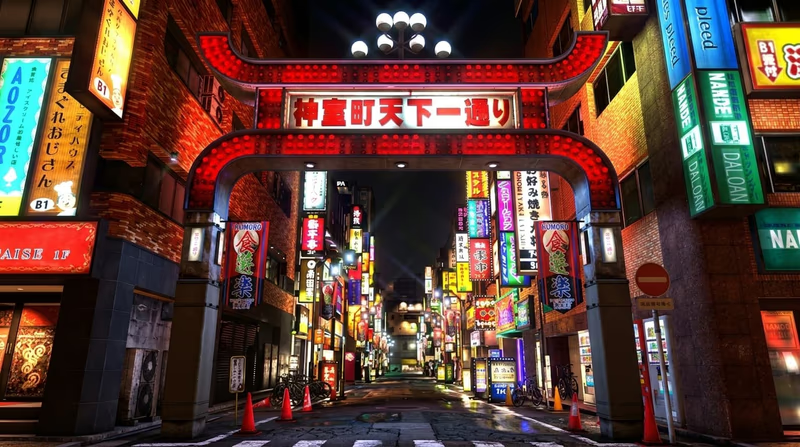
Ten essential tips for starting Yakuza 0: managing early yen before Real Estate Royale and Cabaret Club Czar open up, navigating Kamurocho and Sotenbori without getting lost, and understanding the save system so you never lose progress.
