Shadow of the Colossus Review: The Masterpiece That Defined Games as Art
Shadow of the Colossus: Fumito Ueda's timeless journey, its lonely world, Wander's tragic quest, and the majesty of the 16 colossi.
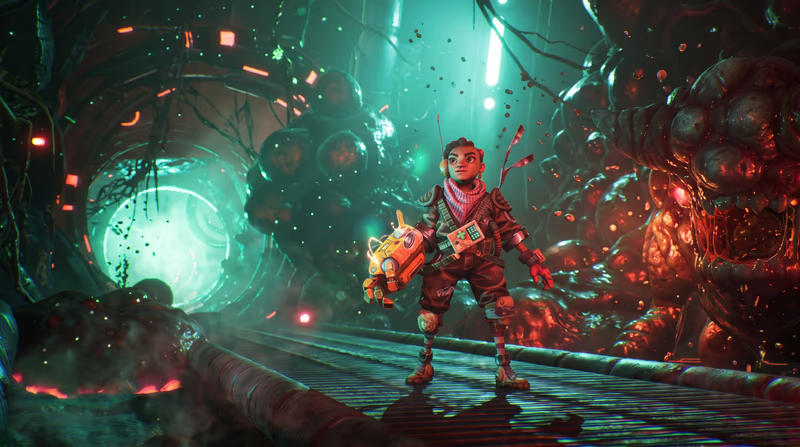
The Gunk – Rani and the Vacuum Glove Artwork

Thunderful Development made its name on SteamWorld's tight, mechanically clever sidescrollers, so The Gunk's jump to a fully 3D exploration game in December 2021 was a genuine swing at something bigger. Two scavengers, Rani and Becks, answer a mysterious energy signal and land their ship on an alien world coated in a pulsing, toxic purple growth. What should be a routine salvage job turns into something closer to ecological detective work, as the pair realize the Gunk isn't just an obstacle; it's a symptom of something wrong with the planet itself.
The premise is strong enough to carry the game's short runtime, even when the mechanics underneath it start to feel thin by the final act.
Rani's arm-mounted vacuum tool is the single idea the entire game is built around, and it mostly works.
The game's best trick is purely visual, and it never stops being satisfying.
Underneath the cleaning mechanic sits a small, two-person character study that carries more weight than the marketing suggested.
The Gunk clocks in at four to six hours, and that length is both its sharpest asset and its clearest limitation.
Pros:
Cons:
The Gunk is a confident, visually striking first attempt at full 3D exploration from a studio that built its reputation elsewhere, and it mostly succeeds within the scope it set for itself. Rani and Becks's quiet, strained partnership gives the short runtime real emotional footing, even when the vacuum-glove loop underneath it never evolves much past its opening hour. It's a pleasant afternoon on an alien world rather than a definitive genre entry, worth the trip for the transformation spectacle alone.

Affiliate link: Support the blog via Instant Gaming at no extra cost.
The Gunk
Others Posts
Shadow of the Colossus: Fumito Ueda's timeless journey, its lonely world, Wander's tragic quest, and the majesty of the 16 colossi.
Reevaluating Hideo Kojima's deeply divisive delivery simulator, a game whose themes of isolation, fractured societies, and the desperate need for connection became an eerie reality just months after its original release.

Rare's stunning Xbox graphics, the controversial censorship cuts, and the shift to class-based online war.

Mutant Year Zero: Road to Eden: XCOM-style tactical combat, real-time stealth infiltration with Dux and Bormin, and the secrets of The Zone.

A newcomer's guide to Portal 2's controls, gel and funnel mechanics, and co-op basics - everything you need before Aperture Science starts testing you for real.
A practical, course-by-course guide to Super Mario 64 - how to navigate Peach's Castle, which Stars to chase first, and how to actually get all 120 without wasting hours on the ones that trip everyone up.
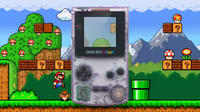
An engineering retrospective on the Nintendo Game Boy Color. We explore how a double-speed Sharp SM83 core, a backward-compatible palette-mapped color LCD, and translucent 'Atomic Purple' shells turned a stopgap handheld into the system that carried Pokémon's second generation.

Analysis of the PlayStation 4 and PS4 Pro hardware. We examine the shared CPU bottleneck, the mirrored butterfly GPU design, memory optimizations, and the hardware-level checkerboard rendering that enabled the 4K transition.
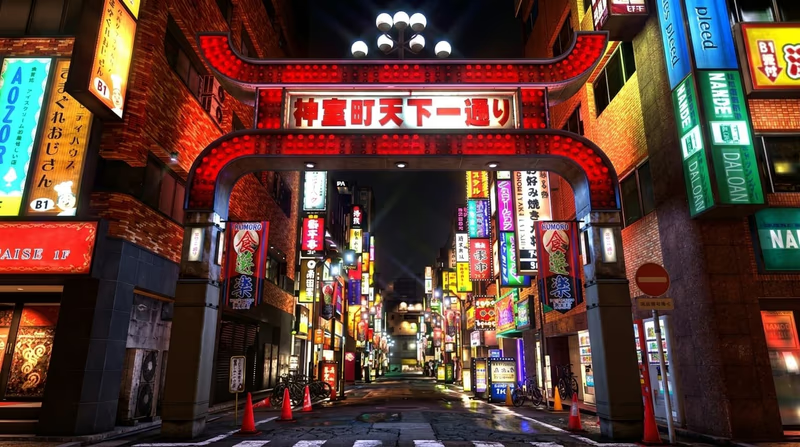
guides
Ten essential tips for starting Yakuza 0: managing early yen before Real Estate Royale and Cabaret Club Czar open up, navigating Kamurocho and Sotenbori without getting lost, and understanding the save system so you never lose progress.
