The Witcher Review: CD Projekt's Dark Fantasy Debut
CD Projekt RED's 2007 debut adapted Andrzej Sapkowski's novels into a gritty, choice-driven RPG that put the fledgling studio on the map.

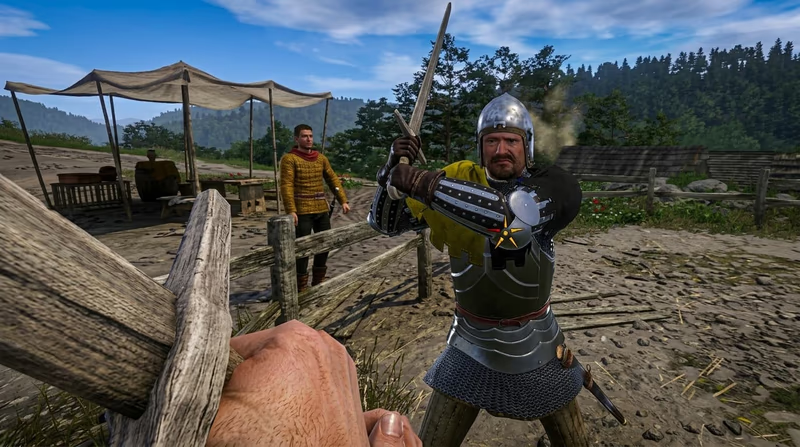
Warhorse Studios built a combat and survival curve that punishes newcomers who skip the fundamentals.

Henry wakes up in Skalitz with no sword skill, no money, and no idea that the game is actively testing whether you'll quit in the first hour. Kingdom Come: Deliverance doesn't ease new players in. It drops you into a bandit-infested stretch of 15th-century Bohemia with a kitchen knife's worth of combat competence and lets Captain Bernard humble you in a sparring match that most first-time players lose badly. None of that is a bug. It's Warhorse Studios' entire design philosophy, and the players who understand it early get a dramatically smoother first ten hours than the ones who try to brute-force their way through like it's a normal action RPG.
This guide covers the things the game explains poorly or not at all: how to actually win a duel, how to stop dying to hunger and disease, and which early-game detours are worth your time before the main story swallows you whole.
Skip the temptation to charge into every skirmish before you've touched the training systems the game buries in its tutorial village. Talk to Bernard in Skalitz and run through his full sparring sequence more than once. Perfect blocks and masterstrokes don't unlock through main-quest progression. They unlock through repetition against a cooperative training partner who won't punish your mistakes the way a real bandit will.
Pickpocketing, lockpicking, and herbalism all level through use rather than points you assign, so dabble in each during the early game even when you don't need to. A Henry who's spent an hour lockpicking chests in Skalitz's ruins before reaching Rattay opens far more doors, literally, than one who ignored the skill until a quest demanded it.
The five-directional combat system is the single biggest wall new players hit, and most of them hit it because they try to play Kingdom Come like Skyrim. Stop mashing the attack button. Watch your stamina bar and the direction indicator around your opponent's weapon, and only commit to a strike when you see an opening at an angle they haven't covered.
Clinching solves more fights than clever swordplay does in the first several hours. Grappling an opponent, especially one who's better armored or more skilled, lets you throw a punch, a headbutt, or a disarm that resets the fight on your terms. Archery takes longer to pay off since the unassisted sway makes early shots unreliable, but it's worth practicing on the training dummies outside Skalitz before you need it against a fleeing target.
Ignore the survival systems and the game will eventually punish you for it in ways that feel unfair until you realize they were telegraphed from the start. Hunger drains your stamina regeneration and, left unchecked, your health. Raw meat makes you sick unless you cook it first, so carry bread, cheese, or anything prepared rather than relying on whatever a wolf dropped.
Sleep matters more than most players expect going in. A full night's rest in a bed, not a haystack, restores stamina fully and banks a small experience bonus the next morning. Hygiene affects how NPCs react to Henry, and a filthy, blood-soaked blacksmith's son gets treated very differently at a noble's door than one who's bathed and changed into clean clothes beforehand.
Once you reach Rattay, resist sprinting straight into the main quest line. Visit the bathhouse, the tailor, and the blacksmith first, because gear quality in this game directly determines how survivable combat becomes. A full set of mismatched, low-tier armor pieces layered correctly still outperforms a single expensive item worn alone, so prioritize covering your torso, head, and hands before chasing anything flashy.
Side quests like "Run!" and the early Rattay miller and tailor side content aren't filler. They build reputation, hand out coin that the main story is stingy with early on, and often teach mechanics, lockpicking, persuasion, intimidation, that the critical path never forces you to practice. Take the detour before the story picks up its pace.
Kingdom Come's save system runs on Saviour Schnapps, a craftable or purchasable potion, rather than a free quicksave, and that single design choice changes how you should approach every risky encounter. Beds offer a free save, but you won't always be near one when a fight turns bad. Keep a stock of at least three or four Schnapps at all times and drink one before any fight you're not confident about, not after you've already lost half your health.
Brewing your own Schnapps early is worth the alchemy investment once you've got the recipe, since buying them from apothecaries gets expensive fast as you rely on them more. Running out mid-dungeon with no bed in sight is how players lose hours of unsaved progress, and it's the single most common complaint from newcomers who treated saving as an afterthought instead of a resource to manage.

Affiliate link: Support the blog via Instant Gaming at no extra cost.
Kingdom Come: Deliverance
Others Posts
CD Projekt RED's 2007 debut adapted Andrzej Sapkowski's novels into a gritty, choice-driven RPG that put the fledgling studio on the map.
A first-steps guide to The Witcher (2007): surviving the Kaer Morhen prologue, learning rhythm-based combat, and not dying of toxicity in your first Vizima brew.

Wasteland 2: Director's Cut—inXile's crowdfunding triumph, brutal moral choices, tactical squad-based survival, and post-apocalyptic roleplaying.
New to Tristram? Learn which class to pick, how to survive the Cathedral's first levels, and why hoarding gold at Griswold's matters more than your weapon.
Valve took the tightest puzzle design in the industry, doubled the toolset, added a co-op campaign and two of gaming's best-written characters, and somehow made the sequel better than the original.

Anno 1800 rebuilds the series around the smoke and steel of the second Industrial Revolution, turning supply-chain logistics into the genre's richest city-building puzzle.
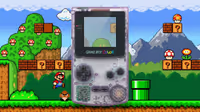
An engineering retrospective on the Nintendo Game Boy Color. We explore how a double-speed Sharp SM83 core, a backward-compatible palette-mapped color LCD, and translucent 'Atomic Purple' shells turned a stopgap handheld into the system that carried Pokémon's second generation.

Analysis of the PlayStation 4 and PS4 Pro hardware. We examine the shared CPU bottleneck, the mirrored butterfly GPU design, memory optimizations, and the hardware-level checkerboard rendering that enabled the 4K transition.
games
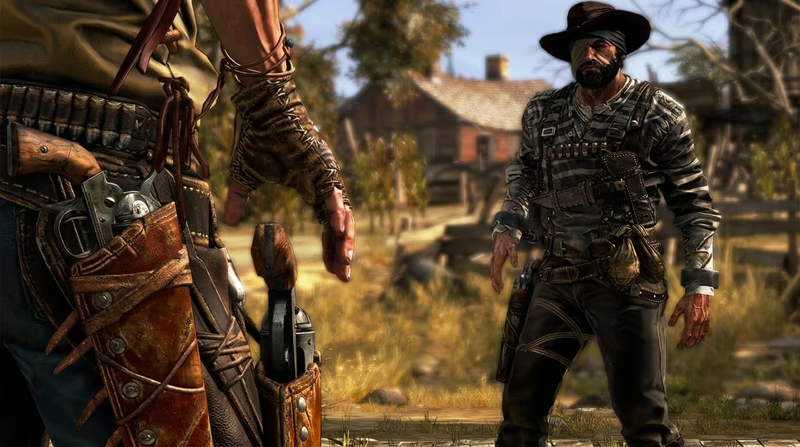
Techland traded gritty realism for painterly legend in this arcade-shooter retelling of the Old West's most famous gunslingers, bounty hunters, and outlaws.
