Survival Guide in Alan Wake Remastered
How to Master Combat, Weapons, and the Secrets of Alan Wake Remastered. Golden Rule: Light is your shield, and bullets are your sword.
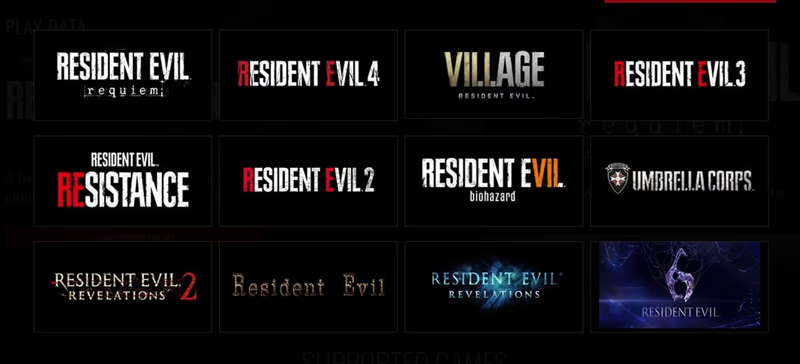
Resident Evil Franchise Supported Games Logos

Discover the core story without spoilers, the exact chronological order to play the franchise, and which modern platforms to find them on.
A single, blood-soaked mansion changed the video game industry forever. When Capcom dropped the original game in 1996, nobody was ready for the sheer panic it delivered to our screens.
If you want to jump into this legendary franchise today, the massive timeline can look incredibly confusing. This guide breaks down the core lore, the exact chronological order, and why you need to experience this nightmare.
Directed originally by Shinji Mikami, this series literally coined the term "Survival Horror". It forced players to stop shooting blindly and start managing scarce resources just to stay alive.
The core gameplay loop is punishing but highly addictive. You juggle tight inventory space, combine colored herbs for healing, and solve bizarre puzzles while dodging lethal, infected monsters.
The franchise has mutated brilliantly over the decades. It transitioned from clunky fixed camera angles, to revolutionary over-the-shoulder gunplay, and finally into claustrophobic first-person terror.
Everything revolves around the sinister and greedy Umbrella Corporation. Behind closed doors, this massive pharmaceutical company secretly develops illegal Bio-Organic Weapons (B.O.W.s) and mutagenic pathogens like the infamous T-Virus.
Things inevitably go wrong, triggering catastrophic viral outbreaks. The nightmare always starts locally, infecting unsuspecting citizens and wildlife, before spiraling into massive, globe-trotting biological warfare.
You take control of rookie cops, special agents, and tough civilian survivors. Iconic characters like Leon S. Kennedy, Jill Valentine, and the Redfield siblings risk their lives to expose Umbrella and survive the hordes.
Thanks to Capcom's incredible RE Engine remakes, playing the entire timeline on modern hardware is easier than ever. Forget release dates; this is the true canonical order you should follow.
The tension is absolutely unmatched in the gaming space. There is a sick satisfaction in surviving a grueling boss fight when you only have one shotgun shell left and your health indicator is flashing red.
The level design is top-tier. Locations like the Spencer Mansion or the R.P.D. station operate like giant, interconnected puzzle boxes that are incredibly rewarding to unlock and master.
You will also face some of gaming's most terrifying stalkers. Implacable enemies like Nemesis or Mr. X will chase you through rooms, completely ignoring their hitboxes, inducing pure panic and forcing you to run.
Turn off the lights, grab your headset, and prepare to face your fears. This franchise is a massive piece of gaming history that demands your respect and a very steady trigger finger.

Affiliate link: Support the blog via Instant Gaming at no extra cost.
Others Posts
How to Master Combat, Weapons, and the Secrets of Alan Wake Remastered. Golden Rule: Light is your shield, and bullets are your sword.
Final Fantasy has no single timeline — each numbered entry is its own standalone world. Here's the order that actually makes sense to play them in, release order vs. sub-series order, and where to find each game today.

Drop modern habits. Learn to manage your shields, exploit plasma weapons, and survive the brutal combat of Halo CE without throwing your pad.

A new-player's guide to Final Fantasy XV: how to drive, hunt, cook, and fight your way across Lucis without wasting your first twenty hours on avoidable mistakes.
A beginner's guide to surviving the first 72 hours in the Willamette Parkview Mall: time management, must-do cases, survivor rescue priorities, and early psychopath fights.
Here is your ultimate starter guide to managing your energy, getting rich quick, and mastering the endless summer.

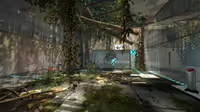
Valve took the tightest puzzle design in the industry, doubled the toolset, added a co-op campaign and two of gaming's best-written characters, and somehow made the sequel better than the original.

Anno 1800 rebuilds the series around the smoke and steel of the second Industrial Revolution, turning supply-chain logistics into the genre's richest city-building puzzle.
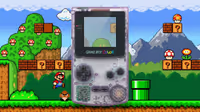
An engineering retrospective on the Nintendo Game Boy Color. We explore how a double-speed Sharp SM83 core, a backward-compatible palette-mapped color LCD, and translucent 'Atomic Purple' shells turned a stopgap handheld into the system that carried Pokémon's second generation.

Analysis of the PlayStation 4 and PS4 Pro hardware. We examine the shared CPU bottleneck, the mirrored butterfly GPU design, memory optimizations, and the hardware-level checkerboard rendering that enabled the 4K transition.
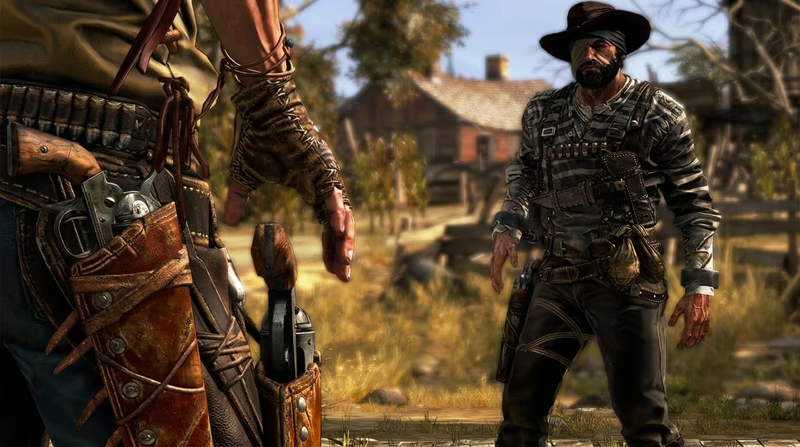
games
Techland traded gritty realism for painterly legend in this arcade-shooter retelling of the Old West's most famous gunslingers, bounty hunters, and outlaws.
