1. Save Only at Phone Booths and Taxi Stands, Never Mid-Mission
Yakuza 0 has no autosave once you're inside a mission, cutscene chain, or substory, so the first habit worth building is stopping at a phone booth or a taxi stand the moment you're back in free roam. Both act as manual save points, and the game will happily let you play an hour of side content and then close the console with nothing banked if you don't use one.
- Save before anything risky: A hard story choice, a long substory chain, or a Dance Battle you're not confident about are all good moments to save first, retry later.
- Taxi stands double as save points: You don't need to hail a cab to use one, walking up and opening the menu is enough.
- Quicksaves don't exist: There's no suspend-and-resume shortcut outside these two save types, so don't assume closing the app mid-mission preserves anything.
2. Don't Spend Every Yen the Moment You Get It
Early Kamurocho throws cheap temptations at you, convenience store snacks, a flashy jacket, a round at the batting cages, and it's easy to blow through your starting cash before you understand what actually matters. CP skill unlocks and the first tier of real weapons both cost more than they look like they should, and running low right before a tough brawl is a rough spot to be in.
- Hold back a cash buffer: Keep at least a few thousand yen in reserve for healing items rather than spending down to zero after every shopping trip.
- Skip the cosmetic stuff at first: Clothing and accessories are fun but purely cosmetic, they can wait until the core combat and CP investments are covered.
- CP skills beat gear early on: A cheap survivability skill from the shrine menu often outperforms a pricier weapon in the first few chapters.
3. Use the District Map and Taxi Fast Travel Before You Get Lost
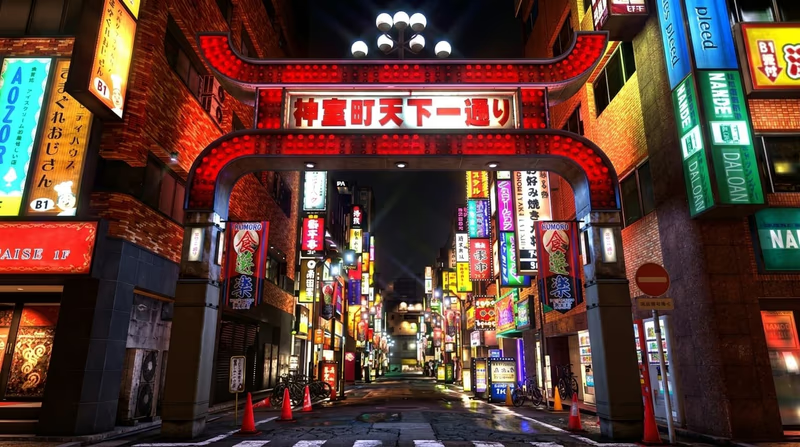
Kamurocho and Sotenbori are compact compared to a modern open world, but the sheer density of alleys, shops, and side-street shortcuts means new players burn real time backtracking. The pause-menu map shows every district by name, and taxi stands offer fast travel between them once you've found a cab at least once in that area.
- Learn the district names early: Theater Square, Tenkaichi Street, and the others aren't just flavor text, quest markers reference them directly.
- Taxi fast travel is underused: A lot of players walk everywhere out of habit when a quick cab ride skips the tedious parts of a long commute across the map.
- Alleys often hide shortcuts: Several narrow side-alleys connect two main streets faster than following the obvious road, worth exploring once instead of always taking the long way.
4. Bank Early CP Into Survival Skills, Not Flashy Heat Actions
The CP skill trees at the shrine menus are deep enough to overwhelm a first-time player, and the instinct to chase the most spectacular Heat Action first is understandable but backwards. Surviving long enough to use any Heat Action at all matters more in the first several chapters than how the finisher looks.
- Health and Heat gauge boosts come first: A bigger health bar and faster Heat generation pay off in every single fight, not just specific encounters.
- Guard and Tenacity skills reduce chip damage: These are easy to overlook next to flashy offense skills but cut down how often you're forced to retreat mid-brawl.
- Save the expensive combo skills for later: Once the basics are covered, the big combo extenders and advanced Heat Actions become worth the steep CP cost.
5. Check Every District for Substory Markers Before Advancing Chapters
A yellow exclamation mark on the map means a substory is available, and a number of them are chapter-gated, meaning they disappear if you push the main story too far without triggering them. New players who rush the plot often come back later to find several substories permanently missed.
- Sweep the map after entering a new chapter: A quick walk through both cities as each chapter opens catches most of what's newly available.
- Some substories hide without a marker: A handful only trigger by walking near a specific NPC or location, so don't assume an empty map means nothing's left.
- The full substory and minigame breakdown lives elsewhere: For the complete rundown of all 100 substories and every minigame's strategy, the substories and minigame guide covers it start to finish.
6. Don't Ignore Mr. Shakedown Early On
Mr. Shakedown is the suited loan shark who randomly ambushes you on the street, and new players often avoid him out of fear rather than treating him as free money. He's tough in a straight fight at low CP, but even a rough win nets a solid payout, and the fight only gets more profitable the more you understand the underlying cash mechanics.
- He's not required, but he's worth it: Avoiding him entirely is possible, but skipping him means skipping one of the fastest early-game income sources in Kamurocho.
- Gear up before engaging: A couple of cheap weapons from Don Quijote make these early fights far more manageable than going in bare-handed.
- The full money loop is a deeper system: Once this guide's basics click, the business and economy guide breaks down the exact farming cycle for turning Shakedown fights into serious yen.
7. Keep an Eye on Your Equipped Weapon and Armor Slots
It's easy to buy a weapon or a piece of armor, toss it in your inventory, and forget to actually equip it. Yakuza 0 doesn't auto-equip new purchases, and more than one new player has wondered why a fight feels harder than expected only to realize they're still running starting gear three chapters in.
- Check the equipment menu after every shopping trip: A habit of confirming the equip screen after buying gear avoids wasted purchases.
- Armor matters more than it looks: Body armor pieces reduce incoming damage noticeably, don't treat them as an afterthought next to weapons.
- Weapon durability is a real stat: Cheap early weapons can break mid-fight, carrying a spare in your inventory avoids getting caught empty-handed.
8. Real Estate Royale and Cabaret Club Czar Open Later, Prepare for Them
Kiryu's business-empire minigame and Majima's cabaret-management sim don't appear at the very start, they unlock several chapters in as part of the main story. New players sometimes assume something's broken when the side-business icon doesn't show up on day one.
- They're worth the wait: Both systems become major yen generators once unlocked, patience here pays off rather than searching for a way to force them open early.
- Stockpile cash beforehand: Having savings ready when each minigame opens lets you start buying up properties or hiring hostesses immediately instead of grinding from zero.
- Substory recruits matter: Several of the best staff hires for both minigames come from substories completed earlier, another reason to not skip side content while waiting.
9. Use the Convenience Store and Vending Machines for Cheap Healing
Combat in Yakuza 0 can turn a city street into a real threat if a Mr. Shakedown ambush or a gang of armed thugs catches you low on health, and the convenience stores scattered through both cities sell healing items for a fraction of what specialty shops charge.
- Stock up before exploring at night: Night encounters tend to be tougher, a quick convenience-store stop beforehand is cheap insurance.
- Vending machines double as weapons: Beyond drinks, a vending machine can be picked up and swung in a pinch, useful when caught without a weapon equipped.
- Don't over-rely on the pause menu mid-fight: Healing items can be used directly without pausing in most situations, faster reflexes here save a fight that's going badly.
10. Switch Fighting Styles Often, Don't Lock Into One
Both Kiryu and Majima start with multiple fighting styles, and new players frequently pick a favorite in the first hour and never touch the others again. That's a mistake, since different enemy types and group sizes call for different tools, and the CP investment needed to make every style viable isn't as steep as it first looks.
- Match the style to the fight: A crowd of weak enemies favors a style built for speed and crowd control, a single tough target favors one built for raw damage.
- Switching mid-combo is intentional design: The game expects players to swap styles during a single encounter, not just between fights, it's a core mechanic rather than a gimmick.
- Unlocking the fourth style is worth prioritizing: Each protagonist's story-unlocked style tends to be the most versatile of the four, worth chasing the unlock requirement rather than ignoring it.